


Safety Trainings
Looking for a Simple, Fast Way to Meet Today’s Tougher Safety Program Requirements?

MVP Safety Trainings LLC makes it easy for companies to choose and implement the safety programs they need—quickly, efficiently, and with full compliance in mind.
We streamline the process by offering clear guidance, practical solutions, and customizable safety programs designed to fit your organization’s size, industry, and operational needs.
OSHA MARITIME 10 - 30

The OSHA Outreach Training Program for the Maritime Industry offers instruction for both workers and employers on recognizing, avoiding, mitigating, and preventing safety and health hazards in maritime industry workplaces. Additionally, the program delivers details about workers' rights, employer obligations, and the process for lodging complaints. This training aids in making sure that workers are well-informed about workplace dangers and their rights, thereby enhancing the nation's productivity. Compliance Code - 29 CFR 1915.
OSHA Construction 10 - 30
HAZWOPER: 40-Hour Initial Training
The OSHA 10-Hour Construction Industry Outreach Training Program aims to provide entry-level construction workers with a general understanding of how to recognize and prevent hazards on a construction site. The OSHA 30 online training course educates workers and employers about the recognition, avoidance, abatement, and prevention of safety and health hazards in the workplace. It encompasses a range of topics, including electrical hazard safety, fall protection, and details on workers' rights, employer responsibilities, and the process for filing a complaint. Completing this course is a reliable method to obtain a valid OSHA 30-Hour Card and meet the safety standards required by your company for construction industry work. All successful completions of the course will be reported to OSHA and the Department of Labor.
HAZWOPER: 40-Hour Initial Training
HAZWOPER: 40-Hour Initial Training

General waste site workers (such as equipment operators, general laborers and supervisory personnel) engaged in hazardous substance removal or other activities that expose or potentially expose workers to hazardous substances and health hazards must receive a minimum of 40 hours of initial instruction off the site, and a minimum of three days actual field experience under the direct supervision of a trained, experienced supervisor. HAZWOPER, 29 CFR 1910.120 for general industry or 29 CFR 1926.65
RED CROSS Adult and Pediatric First Aid/CPR/AED
The Adult and Pediatric First Aid/CPR/AED course incorporates the latest science and teaches students to recognize and care for a variety of first aid emergencies such as burns, cuts, scrapes, sudden illnesses, head, neck, back injuries, heat and cold emergencies and how to respond to breathing and cardiac emergencies to help victims of any age - adults (about 12 years and older) and pediatric (infants and children up to 12 years of age)
HazCom: Introduction to Hazard Communication & GHS
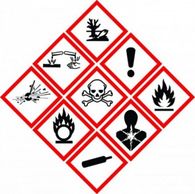
The potential for accidents, incidents, and injuries is always present when people work with, or are in the vicinity of, hazardous chemicals. But by knowing and understanding the basic nature of those chemicals and how to safely work with or around them, people can greatly decrease any risk that might be present.
This course is designed to help learners understand more about chemicals and the methods used to provide them with information about their hazards. Specifically, it covers how to keep themselves safe through education on the Hazard Communication Standard.
Intended Audience: All employees who have an exposure or a potential for exposure to hazardous chemicals.
- Regs Covered: 29 CFR 1910.1200
Lead Renovator Certification Initial Course
This Lead Renovator (RRP) Initial Certification course is 8 hours in length and includes lead safety training approved by the EPA or applicable EPA-Authorized state program . and Refresher
Confined Space
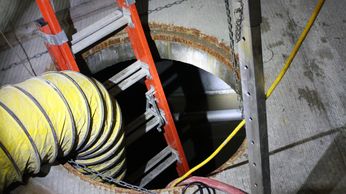
The new OSHA Standard requires that companies that do construction activities must "ensure that each of its employees who enter a confined space acquires the knowledge and skill necessary for the safe performance of confined space entry operations" Covers a variety of confined spaces safety and compliance topics:
Overview of new regulation Hazards inherent to confined spaces on construction jobsites
- Precautions that must be taken before a confined space is entered
- How to recognize and avoid unsafe conditions
- Proper use of required protective and emergency equipment
Scaffolding Safety
Course covers the following topics:
- Types of scaffolds commonly used (including suspended and supported scaffolding)
- Identifying hazards
- OSHA requirements related to scaffolds
- How to use scaffolds safely
- Regulations covered: 29 CFR 1926.450 - 1926.454
Fall Protection

According to the U.S. Department of Labor, falls are the leading cause of construction accidents and traumatic occupational fatalities. Consequently, workers must undergo fall protection training when working at heights of 6FT This course meets the training and retraining mandates of the OSHA 29 CFR 1926 Subpart M Fall Protection Standard, which includes Residential Construction Fall Protection.
DOT Compliance Training – Course Overview
The DOT Compliance Training course provides employees and supervisors with the essential knowledge required to meet U.S. Department of Transportation (DOT) regulations for commercial motor vehicle operations. This training helps organizations maintain compliance, reduce violations, and ensure the safe and lawful movement of people and goods across state and federal roadways.
Participants learn how to:
• Understand key DOT regulations under FMCSA, PHMSA, and related federal requirements
• Comply with driver qualification standards, medical requirements, and recordkeeping rules
• Apply Hours‑of‑Service (HOS) regulations and Electronic Logging Device (ELD) requirements
• Conduct proper vehicle inspections, maintenance, and documentation
• Follow safe driving practices, load securement rules, and hazardous materials transportation requirements
• Prepare for DOT audits, roadside inspections, and compliance reviews
This course helps employers strengthen their transportation safety programs, reduce regulatory risk, and ensure drivers and fleet personnel operate safely and in full compliance with federal standards.
Ladder Safety Training – Course Overview
The Ladder Safety Training course provides employees with the essential knowledge needed to select, inspect, and use ladders safely in accordance with OSHA standards. This training focuses on preventing falls, structural failures, and improper use—some of the most common causes of workplace injuries across construction, maintenance, utilities, and general industry.
Participants learn how to:
• Identify different ladder types and their proper applications
• Conduct pre‑use inspections to identify defects, damage, or unsafe conditions
• Set up ladders correctly, including angle, footing, and stabilization requirements
• Follow OSHA rules for ladder use, including the 3‑point‑of‑contact method and the 3‑foot extension rule
• Recognize common hazards such as overreaching, improper load limits, and unstable surfaces
• Apply safe climbing techniques and proper positioning to reduce fall risks
This course helps employers reduce ladder‑related incidents, strengthen compliance, and ensure workers understand how to use ladders safely and effectively on any jobsite.
Electrical Safety – Course Overview

The Electrical Safety course provides employees with the essential knowledge needed to recognize electrical hazards, follow safe work practices, and comply with OSHA and NFPA 70E requirements. This training helps prevent shocks, burns, arc‑flash incidents, and other serious injuries by teaching workers how to identify risks and apply proper controls in both general industry and construction environments.
Participants learn how to:
• Identify common electrical hazards such as exposed conductors, damaged cords, improper grounding, and overloaded circuits
• Understand basic electrical concepts including voltage, current, resistance, and energy flow
• Follow OSHA and NFPA 70E safe work practices, including approach boundaries and energized work restrictions
• Apply lockout/tagout procedures to establish an electrically safe work condition
• Inspect electrical tools, cords, and equipment for defects before use
• Recognize arc‑flash risks and understand the purpose of PPE, labeling, and hazard categories
• Use GFCIs, extension cords, and portable tools safely in field and industrial settings
This course helps employers reduce electrical incidents, strengthen compliance, and ensure workers understand how to safely work around energized systems, tools, and equipment.
Fire Extinguisher Safety
Key Components of Extinguisher Training:
- Understanding Fire Classes: Fire extinguishers are designed to tackle specific classes of fires:
- Class A: paper, wood, cloth, and trash fires
- Class B: gasoline, solvent, and paint fires
- Class C: electrical fires
- Class D: metallic substances (e.g., sodium, titanium, zirconium, or magnesium)
- Class K: cooking grease and oil fires that burn at higher temperatures
- Proper Handling and Technique: Training covers the correct handling of a fire extinguisher, including how to aim, squeeze, and sweep. Practical demonstrations ensure individuals are comfortable and confident using the equipment effectively.
- Recognizing Fire Hazards: Participants learn to identify potential fire hazards proactively.
Powered Industrial Trucks (PITs) / Forklift Safety – Course Overview
Powered Industrial Trucks (PITs) / Forklift Safety – Course Overview
The Powered Industrial Trucks (PITs) / Forklift Safety course provides operators with the knowledge and hands‑on skills required to safely operate forklifts in accordance with OSHA 29 CFR 1910.178. This training focuses on hazard recognition, equipment inspection, load handling, and safe operating practices to prevent collisions, tip‑overs, struck‑by incidents, and property damage.
Participants learn how to:
• Identify forklift types, controls, stability principles, and load‑capacity limitations
• Conduct pre‑operation inspections and recognize mechanical or safety deficiencies
• Operate forklifts safely in aisles, docks, ramps, and congested work areas
• Apply proper load handling, stacking, lifting, and traveling techniques
• Recognize hazards such as pedestrians, blind spots, uneven surfaces, and poor visibility
• Understand fueling/charging procedures, parking requirements, and shutdown protocols
• Follow OSHA certification requirements, including evaluation and refresher training
This course helps employers reduce forklift‑related incidents, strengthen compliance, and ensure operators are trained, evaluated, and prepared to work safely in any industrial or construction environment.
Competent Person
Competent Person
Powered Industrial Trucks (PITs) / Forklift Safety – Course Overview
A competent person is a crucial role in ensuring workplace safety.
- Definition: According to the Occupational Safety and Health Administration (OSHA), a competent person is someone who is capable of identifying existing and predictable hazards in the surroundings or working conditions. Individuals must possess knowledge of relevant standards, have the ability to identify specific workplace hazards, and be empowered to promptly implement corrective actions to mitigate those hazards.
- Responsibilities: The competent person’s responsibilities include:
- Identifying hazards: They must be able to recognize unsafe conditions or practices.
- Taking corrective action: When hazards are identified, they have the authority to address them promptly.
- Knowledge of standards: They need to understand relevant safety regulations and best practices.
- Complementing existing knowledge: Competent person training courses can enhance their understanding of safety responsibilities2.
- Purpose: OSHA establishes competent persons to extend the employer’s or safety officer’s awareness through workers who are directly involved in the work. These workers act as the eyes and ears on the ground, helping maintain a safe work environment
Flagger Training
Competent Person
Flagger Training
Myth:
Flagging is a function that can be handled by anyone available at the time.
Reality:
Flagging is a not hard, but be assured, is not that easy.
Traffic control can be stressful and must not be taken lightly.
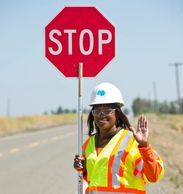
A flaggers job is to protect workers, and the traveling public from each other.
Now that we’ve cleared that up, the question that remains is: how can you provide your flaggers with the training they need to meet their responsibilities safely? The answer is MVP SAFETY TRAININGS LLC.
This valuable safety training includes: dealing with work zone hazards, the flagger’s job, employer’s responsibilities, and the safety equipment needed to get everyone home safely.
After this training, your flaggers will understand their impact on safety so as a result, they’ll be better prepared to do a professional, safe job.
 .
.
Services
Safety Consulting That Protects Your Team—and Your Bottom Line

What We Do for Employers
• Workplace Safety Assessments — Clear, actionable evaluations to identify hazards and strengthen compliance.
• Pre‑Construction & Pre‑Site Inspections — Early reviews that prevent delays and ensure safe project readiness.
• Customized Safety Programs — SOPs, JHAs, safety manuals, and documentation tailored to your industry.
• Employee Safety Training — OSHA‑approved Construction, Maritime, HAZWOPER, equipment certifications, and more.
Support When OSHA Citations Occur
• Citation Review & Strategy — Expert analysis of violations, regulatory requirements, and employer options.
• Informal Conference Preparation — Guidance to help reduce penalties, negotiate abatement, and present corrective actions effectively.
• Corrective Action Plans — Practical, compliant solutions that address hazards and prevent repeat violations.
• Ongoing Compliance Support — Long‑term partnership to keep your site inspection‑ready year‑round.
Your business deserves a safety partner who understands the regulations, the risks, and the realities of the job. MVP Safety Trainings delivers the expertise, responsiveness, and professionalism employers rely on to stay safe, compliant, and productive.
Work Site Pre-Inspections and Ongoing Inspections

Construction site inspections are vital for several reasons throughout the building process. Here are five key benefits:
1. Promoting Greener Construction: Inspections ensure that buildings are constructed with sustainable practices and materials, in line with environmental regulations.
2. Early Detection of Defects: Inspections identify construction defects early on, allowing for timely corrective measures before they escalate into expensive repairs.
3. Quality Control: Inspections confirm that the construction meets or surpasses quality standards, guaranteeing that the final structure matches the outlined specifications.
4. Compliance with Building Codes: Inspectors check that buildings comply with relevant codes and regulations, which bolsters safety and structural soundness.
5. Cost and Time Efficiency: Detecting and addressing issues promptly through inspections helps avoid delays and additional expenses.

The flagger course MVP Safety Trainings LLC. deliver is approved by ATSSA. This course is within the guidelines set forth by ATSSA. The flagger certification card you will receive is the official ATSSA Flagger Certification card that ATSSA provides to us, to give to you upon successful completion of the course. This is the card that is recognized by the DOT
Bilingual
Powered Industrial Trucks (PITs) Forklift Safety

We Speak Spanish! Ask about our bilingual trainings and services
Powered Industrial Trucks (PITs) Forklift Safety
Powered Industrial Trucks (PITs) Forklift Safety
Powered Industrial Trucks (PITs) Forklift Safety
Forklift training is vital for numerous reasons: it enhances operator efficiency, turns operators into equipment experts, decreases injury risks, cuts down on repair expenses, reduces inventory losses, accelerates operations, aids in retaining skilled workers, promotes good practices, prolongs equipment lifespan, and guarantees compliance with business regulations.
